
When should I schedule my boudoir session?
What if I get my period during a shoot?
I’m a bride: I need this for a wedding gift, when should I come in?
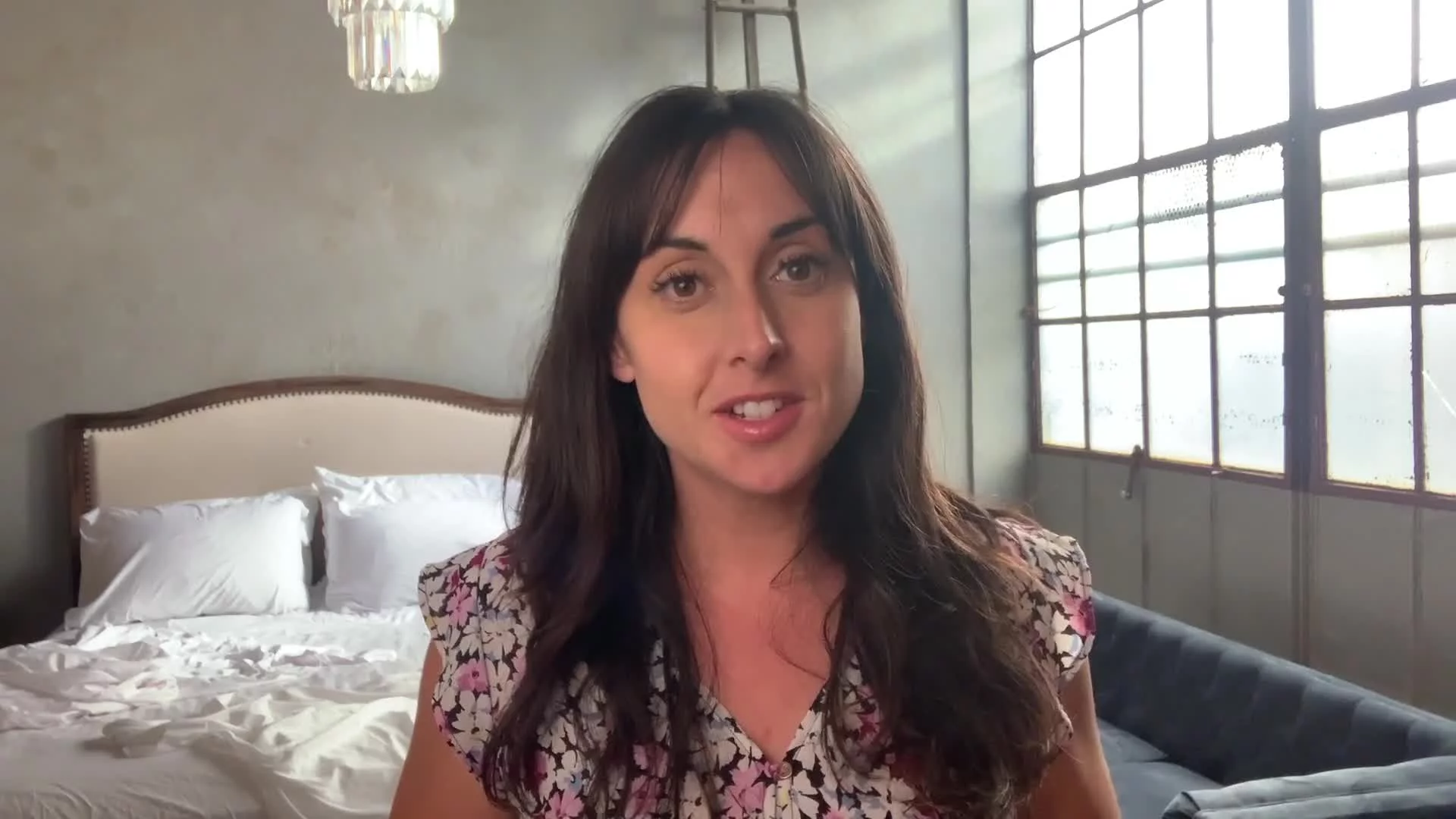
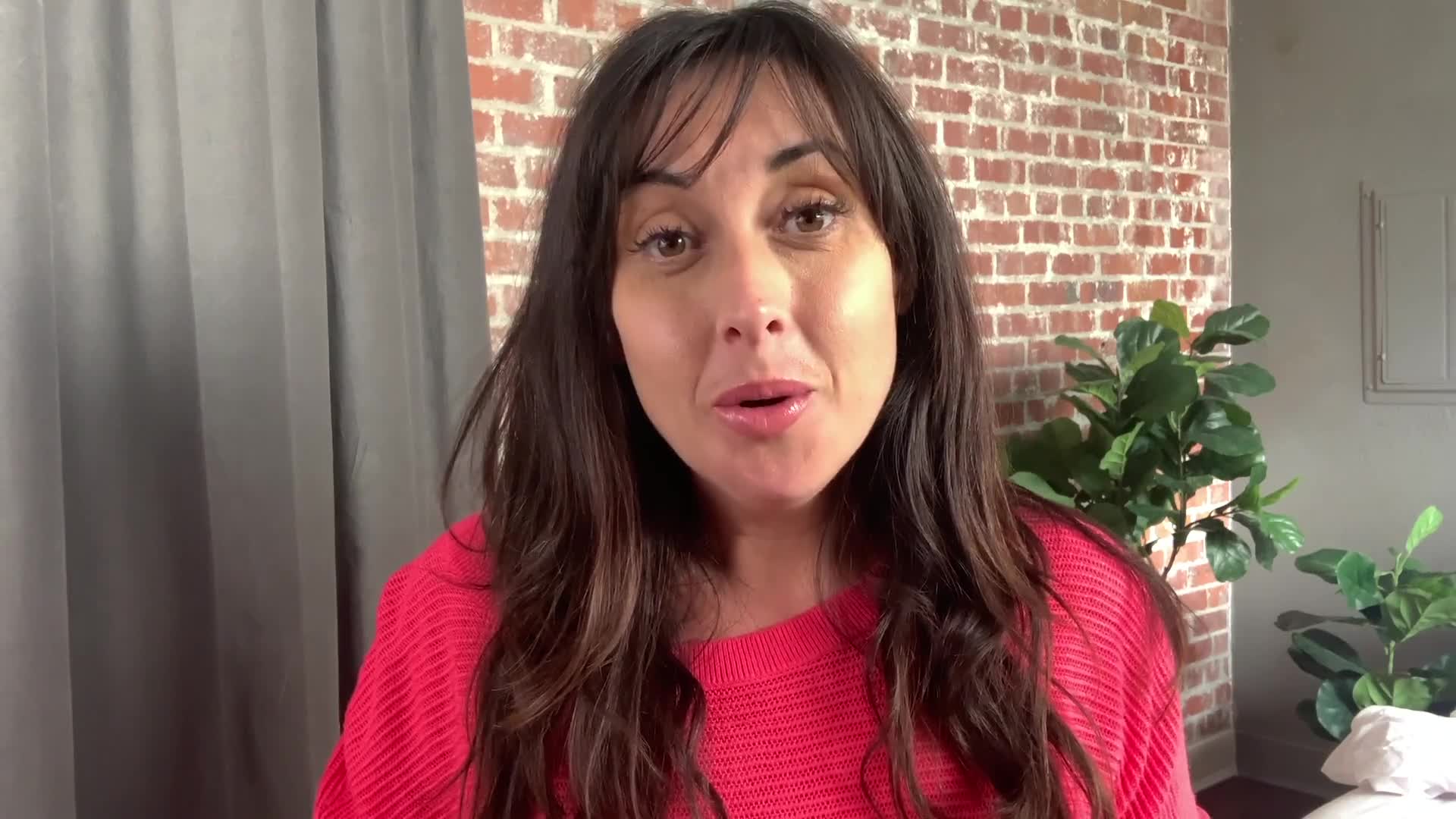
There are so many questions we receive on a daily basis. Take a peek at our videos to learn more.
-
- FAQ,
The best time to schedule your bridal boudoir shoot is about 2 months before your wedding.
But if you really want this experience to feel fun, stress-free, and actually enjoyable (instead of another thing on your already packed wedding checklist), there’s a little more strategy behind that timing—and it makes all the difference.
Why Two Months Before the Wedding Is Ideal
At first glance, you might think, “I’ll just squeeze this in right before the wedding.”
I get it. It feels like one more task to check off.
But here’s the reality: bridal boudoir isn’t something you want to rush.
Behind the scenes, there’s a full process that happens after your shoot:
Retouching: up to 2 weeks
Album design + production: up to 4 weeks
Final delivery buffer: about 2 weeks (just to be safe)
So when you stack that together, you’re looking at 6–8 weeks total turnaround time.
That’s why we recommend shooting around 2 months before your wedding date—it ensures your album is in your hands on time, without stress, without last-minute scrambling, and without cutting corners.
And trust me… this is not the kind of gift you want arriving the day after your wedding.
Why You Don’t Want to Wait Until the Last Minute
Let’s talk about those final weeks before your wedding.
Because if you’ve been there—or even if you’re just starting to plan—you already know:
It gets intense.
Every vendor is reaching out. Final payments are due. Timelines are being confirmed. Your phone is constantly buzzing. Your brain is juggling everything.
As someone who also photographs weddings, I can tell you firsthand:
Brides in the final weeks are in full-on survival mode.
And while that energy is completely normal… it’s not the energy you want walking into a boudoir shoot.
This experience is supposed to feel:
Relaxed
Empowering
Fun
A little indulgent
Not like another appointment you’re racing to between emails and seating charts.
This Is a Moment You Actually Get to Enjoy
Here’s the shift I want you to make:
Your boudoir session isn’t just a gift for your partner.
It’s an experience for you.This is a moment where you get to pause, breathe, and just exist in this season of your life.
You’re stepping into a huge milestone. You’re about to walk into a completely new chapter.
And instead of rushing through it… you get to celebrate it.
When you give yourself that 2-month window, something really cool happens:
You’re not stressed yet.
You’re excited. You’re glowing. You’re present.
And that energy? It shows up in your photos.
A Little Bonus Most Brides Don’t Think About
Timing your shoot a couple months before your wedding also lines up beautifully with something else:
Your bridal events.
Around this time, you’re likely having:
Your bridal shower
Your bachelorette party
And what comes with those?
Some very fun gifts.
Lingerie, robes, heels, accessories—things you can absolutely bring into your shoot to make it feel more personal and elevated.
So instead of scrambling to find outfits last minute, you might already have pieces that feel:
Meaningful
Special
Totally you
When You Should Actually Reach Out to Book
Here’s the part people often miss:
If you want your shoot 2 months before your wedding, you shouldn’t wait until then to reach out.
Most studios (especially smaller, boutique-style ones) book out about 2 months in advance.
So ideally, you’ll want to:
👉 Reach out 3–4 months before your wedding date
This gives you:
The best chance at securing your ideal date
Flexibility with scheduling
Peace of mind knowing it’s handled
Because again—this is not Amazon Prime.
Everything is customized. Every album is designed specifically for you. Every shoot is unique.
And that takes time (the good kind of time).
What You Need to Bring (Hint: Not Much)
One of the biggest misconceptions is that you need to show up with a full suitcase of outfits and accessories.
You don’t.
We’ve got you covered.
Most studios (including ours) offer:
A full client closet
Bridal robes
Jewelry (pearls, sparkly pieces, statement accessories)
Heels and styling options
So realistically?
You could walk in wearing pajamas and be completely taken care of.
That said, there are a couple of personal touches we do recommend bringing:
Your wedding shoes (this is a big one—it ties everything together beautifully)
Any sentimental pieces
Anything gifted to you that you’re excited about
Final Thought: Give Yourself This Experience—Not Just the Gift
Yes, your partner is going to love this.
Like… love this.
But what most brides don’t expect is how much they love it too.
It’s confidence. It’s excitement. It’s a reminder of who you are right now, in this exact moment.
So don’t rush it. Don’t squeeze it in.
Give yourself the time to actually enjoy it.
Because years from now, when you look back at these images, you won’t remember your vendor emails or your seating chart stress.
You’ll remember how you felt.
And that’s the part that matters most.
✨ And seriously—congrats on your wedding. This is such a beautiful chapter. Every single vendor is trying to get ahold of them, and they feel like a crazy person. You need to enjoy this. You need to have fun with this and just bask in where you're at at this point in your life and this milestone and celebrate it. Usually, you're having your bridal shower or your bachelorette party, and you're receiving some fun and fancy gifts that you might be able to use for your shoot, so kind of keep that in mind when you're timing things out. But definitely reach out about three to four months beforehand because we typically book about two months in advance.
Just wanted to share a few more little things. We do have a full closet that you can pull from. These are some of the shoes that are in there. We always suggest bringing a pair of your wedding shoes or what your wedding shoes are going to be for the day of. That way you can wear them for your photos. And we have tons of accessories for brides. We've got these pretty robes here. We've got pearls. We've got lots of sparkly jewelry. So, you can literally walk in here and be in your pajamas, and we take care of the rest. Hopefully, that helps, and congrats on your wedding.
-
- FAQ,
Do I have to share my photos?
Do I Have to Share My Boudoir Photos?
Understanding Privacy, Consent, and Comfort
Why This Question Matters More Than You Think
Let’s be honest for a second—this is the question almost everyone silently asks before booking a boudoir session. Not “What should I wear?” or “Will I look good?” but “Wait… are my photos going to end up on the internet?”
And that hesitation? Completely valid.
Boudoir photography is intimate. It’s vulnerable. It’s stepping into a version of yourself that you may not even fully share with your closest circle. So of course the idea of those images being seen by strangers can feel… a little terrifying.
The Emotional Side of Boudoir Photography
Here’s something people don’t talk about enough: boudoir isn’t just about photos—it’s about identity, confidence, and self-perception. You're not just showing skin. You're showing yourself. That level of vulnerability requires trust, and trust doesn’t happen without control.
That’s why privacy is such a big deal in this space. In fact, industry professionals emphasize that consent and comfort are the foundation of every boudoir session, not just the photography itself .
Common Fears About Image Sharing
Most clients walk in with similar concerns:
“What if my boss sees this?”
“What if it gets posted without me knowing?”
“What if I regret it later?”
And here’s the truth: those fears don’t make you insecure—they make you smart. You’re thinking about your boundaries, your future, and your comfort level.
The Truth About Sharing Your Photos
Let’s clear this up immediately:
No—you do NOT have to share your photos. Ever.
Not now. Not later. Not even a single image.
You Are Always in Control
In professional boudoir photography, your images are never shared without your explicit, written consent. That’s not just good practice—it’s standard across the industry.
Think of it like this: your photos belong to your experience. You decide who sees them, if anyone at all.
What a Photo Release Actually Means
At the end of your session, you’ll typically be presented with a model release form. This is simply a document that outlines how (or if) your images can be used.
It’s not a trick. It’s not pressure. It’s a menu of choices.
And the best part? You don’t even have to decide right away.
Understanding Your Sharing Options
Here’s where things get flexible—and honestly, kind of empowering.
Full Privacy (No Sharing)
This is exactly what it sounds like. Your photos stay completely private. No website. No social media. No portfolio.
Many studios offer this as a default option, and a significant portion of clients choose it—some estimates suggest around 50% prefer to keep their images fully private .
Anonymous Sharing
Maybe you’re open… but only a little.
This option allows images to be shared without identifying features—no face, no tattoos, nothing recognizable. Think silhouettes, close-ups, or artistic crops.
Partial or Approved Sharing
This is where you get selective.
You choose specific images you're comfortable with. Maybe one or two. Maybe only the “safe but still stunning” ones.
Everything else stays locked away.
Full Release
You’re all in. The photographer can use your images freely for marketing, portfolio, or social media.
This is usually chosen by clients who feel confident and want to inspire others—but it’s never expected.
What Happens After Your Shoot
Here’s something a lot of people don’t realize: you don’t have to decide anything until you actually see your photos.
Viewing Your Retouched Images
Once your images are professionally edited, you’ll sit down (or log in) to view them. And this is where everything changes.
Because suddenly, it’s not hypothetical anymore.
You’re not imagining what you might look like—you’re seeing it.
And that moment? It’s powerful.
You might look at one image and think, “Okay… that one is definitely staying private.”
And another and think, “Wait… I kind of love this. I wouldn’t mind people seeing it.”That’s completely normal.
Changing Your Mind Later
Consent isn’t a one-time checkbox. It’s ongoing.
Many photographers allow you to adjust your preferences later, because your comfort level can evolve over time.
Why Consent Is Everything in Boudoir
If there’s one word that defines boudoir photography, it’s this: consent.
Ongoing Consent Explained
Consent isn’t just signing a form at the end. It happens at every stage:
During posing
During outfit changes
During editing
During sharing decisions
It’s continuous. It’s collaborative. And it’s entirely yours.
Legal and Ethical Protections
There are also legal layers protecting you.
Photographers cannot legally use your likeness for commercial purposes without permission due to privacy rights and model release laws .
Translation? You’re protected.
How Privacy Builds Confidence During Your Shoot
Here’s the part most people don’t expect:
Knowing your photos are private actually makes you perform better during your shoot.
Feeling Safe = Better Photos
When your brain isn’t worried about “who might see this,” it relaxes. And when you relax? You look more natural, more confident, more you.
That comfort shows up in every image.
The Psychology of Confidence in Front of the Camera
Think about it like singing in the shower versus singing on stage.
One feels effortless. The other feels terrifying.
Privacy turns your session into the “shower version”—free, uninhibited, real.
Real Talk: How Many People Actually Share Their Photos?
You might be surprised.
Not everyone shares their images. In fact, many don’t.
Some keep them as a personal confidence boost. Others share only with a partner. Some revisit them months later as a reminder of how powerful they felt.
And some? They eventually decide to share after all.
There’s no pattern. No expectation. Just personal choice.
Behind the Scenes: How Studios Protect Your Images
Professional studios take privacy seriously. We're talking:
Password-protected galleries
Secure file storage
Minimal staff access
Clear confidentiality agreements
All of this exists for one reason: you deserve to feel safe.
Choosing What Feels Right for You
Let’s bring it back to you.
There Is No “Right” Choice
There’s no gold star for sharing your photos. And there’s no downside to keeping them private.
This isn’t about the photographer. It’s not about marketing. It’s about your comfort.
Questions to Ask Yourself
Do I feel excited about sharing, or pressured?
Would I be okay if someone unexpected saw this?
Am I doing this for me… or someone else?
Your answers will guide you.
Conclusion
At the end of the day, boudoir photography is about empowerment—not exposure.
You are never required to share your images. You are never pressured into visibility. And you are always in control of your story.
Some images might feel too personal for the internet. Others might feel like a celebration you want to share with the world.
Both choices are valid.
Because the real goal isn’t posting your photos.
It’s walking away from your session thinking:
“Wow… that’s me.”FAQs
1. Can a photographer share my boudoir photos without permission?
No. Professional photographers require written consent before sharing any images. Without it, your photos remain private.
2. What if I accidentally signed a release but changed my mind?
Many photographers allow you to revoke or modify consent—always ask. Consent is often treated as an ongoing process.
3. Are boudoir photos automatically posted online?
Absolutely not. Nothing is posted unless you explicitly allow it.
4. Can I share only certain parts of my photos (like no face)?
Yes. Anonymous sharing is a common option where identifying features are hidden.
5. Is it normal to feel nervous about privacy before booking?
Completely. It’s one of the most common concerns—and a good photographer will address it clearly.
-
- FAQ,
But what if i get my period?
Let’s normalize this right away—because this question comes up all the time, even if people feel a little shy asking it.
About once a month (which feels fitting, honestly), I’ll get a message that starts something like:
“Okay this might be awkward but…”And here’s the thing—it’s not awkward on my end at all. I’m a woman. I get it. Bodies do what bodies do, and your cycle doesn’t suddenly pause just because you have a photoshoot scheduled.
What is totally normal, though, is that it might feel awkward for you to bring it up. There’s this moment of panic like, “Wait… what do I do now? Do I cancel? Is this a problem?”
So let’s walk through it in a way that actually makes you feel prepared instead of stressed.
First—Do We Still Shoot?
In most cases? Yes, absolutely. We still shoot.
For the majority of clients, being on your period doesn’t affect the session at all. The way I pose and photograph you is intentionally designed to highlight your curves, elongate your body, and create beautiful lines—not to expose anything you’re worried about.
When I’m shooting, I’m typically working from angles that look like:
Slightly above or level with your body
Focused on curves, shape, and movement
Designed to flatter—not expose
So when I say I don’t “see anything down there,” I mean it. The posing naturally keeps everything covered in a way that still feels elevated and stunning.
To give you some perspective—I’ve seen maybe one tampon string in over a decade of shooting. That’s it. And even then, it’s something easily adjusted, repositioned, or edited if needed.
Let’s Talk Comfort (Because That’s the Real Factor)
The bigger question isn’t “Can we shoot?”
It’s “How do you feel?”Because your experience matters way more than the calendar.
Here’s how to think about it:
If you’re feeling totally fine, maybe just a little bloated but still excited → Go for it.
If you’re someone who gets mild symptoms → You’ll likely be completely okay.
If you know your first day is rough (cramps, fatigue, low energy, “don’t talk to me” vibes) → That’s when we pause and reassess.
There’s no benefit to pushing through a session if your body is asking you to rest.
Real Talk: You Might Still Feel Amazing
This part surprises people.
Even if you’re on your period, once you’re in hair and makeup, in the right lighting, being guided through poses—you may completely forget about it.
Why?
Because your focus shifts.
You’re not thinking about your cycle anymore. You’re thinking:
“Wait… I actually look really good.”
“How am I doing this?”
“Okay… I kind of love this.”
And that energy? That’s what shows up in your photos.
Simple Ways to Feel More Prepared
If you know your shoot might overlap with your cycle, a little planning goes a long way.
Things that help:
Wearing a tampon, cup, or period underwear you trust
Bringing extra supplies (just in case—it gives peace of mind)
Staying hydrated to reduce bloating
Choosing outfits that make you feel secure and confident
You don’t need to overthink it—just set yourself up so you feel comfortable walking in.
When It Does Make Sense to Reschedule
There are moments where rescheduling is the better option—and that’s completely okay.
You might consider moving your session if:
You know your first day hits you hard every time
You’re dealing with intense cramps or fatigue
You feel mentally or emotionally off
This experience is supposed to feel empowering—not like something you’re pushing through.
And trust me, a good photographer will always prioritize your comfort over keeping a date on the calendar.
If You’re Worried—Plan Ahead
If this is something you’re thinking about ahead of time, you can absolutely plan around your cycle.
A simple trick?
Look at your calendar, count your cycle days, and choose a window where you typically feel your best.That way, you walk into your session feeling confident and physically comfortable.
Final Thought: Your Body Isn’t a Problem
Your period isn’t something that disqualifies you from showing up and feeling beautiful.
It’s just part of being human.
And the truth is—whether you shoot that day or decide to reschedule, the goal stays the same:
You feeling confident, comfortable, and completely in control of your experience.
So don’t stress. Don’t overthink it.
You’ve got options.
-
- FAQ,
When is the best time to do fitness photos?
First of all—woo!! If you’re stepping into a fitness competition, that is no small thing. The discipline, the consistency, the months and months of prep… it deserves to be documented in a way that actually reflects everything you’ve put into it.
And that’s exactly why this question comes up so often:
“When is the best time to do my photoshoot?”Because naturally, most people assume the answer is:
“Right before the show, when I’m at my absolute leanest.”And while that makes sense on paper… in reality, it’s not always the most flattering or representative moment for photos.
Why Peak Week Isn’t Ideal for Photos (Even Though It Sounds Like It Should Be)
Let’s talk about peak week—those final days leading up to your competition.
This is where everything gets dialed in to the extreme:
Water intake is manipulated
Sodium levels are adjusted
Carbs are cycled strategically
Your body is pushed to its absolute edge
And yes—you are incredibly lean. Like, next-level lean.
But here’s the part no one really tells you:
You can actually be too lean for photos.
During peak week, your body is in a very specific state designed for stage—not for photography.
What that can look like visually:
Skin becomes extremely dry (almost paper-like or leathery)
Facial features can look sunken, especially around the jawline and eyes
Overall appearance can read as fatigued or depleted, rather than strong and vibrant
So instead of looking powerful and energized, you might end up looking… a little off. Almost like your body is in survival mode—because, honestly, it kind of is.
And that’s not the version of you most people want to remember after all that hard work.
The Sweet Spot: Two Weeks Before Your Competition
This is why we often recommend scheduling your shoot about two weeks before your show.
At this point:
You’re still lean, defined, and incredibly sculpted
Your skin has more hydration and glow
Your face looks fuller, healthier, and more alive
In other words—you still look like the best version of yourself, but not the most depleted version.
Now, will you look exactly like you do on stage? No.
But you will look stronger, more balanced, and more radiant in photos, which tends to translate way better on camera.
The Other Option: The Week After Your Competition
Now let’s talk about the other side of the timeline—the post-show window.
A lot of competitors love this option, and for good reason.
About a week after your competition:
You’ve started reverse dieting (slowly bringing food back in)
Your muscles begin to fill back out
Your energy comes back
You look more like yourself again—just elevated
There’s also a little bonus here:
You’ll likely still have a residual tan from your competition prep, which can photograph beautifully if it’s softened into a more natural tone.The result? A look that’s:
Still lean
Still defined
But with a bit more life, softness, and fullness
Two Different Vibes—Neither Is Wrong
Here’s where it really comes down to personal preference.
Because honestly? There’s no single “correct” answer.
You’re choosing between two different aesthetics:
TimingLook & Feel2 Weeks BeforeLean, strong, balanced, glowing1 Week AfterSlightly fuller, energized, more natural
So the real question becomes:
What version of your journey do you want to capture?
The disciplined, dialed-in athlete right before the finish line?
Or the powerful, recovered version of you who just completed the journey?
Both are valid. Both are beautiful. Both tell a story.
A Perspective Most People Don’t Think About
Your competition day is about performance.
Your photoshoot is about legacy.
One is judged under harsh stage lights, strict criteria, and fleeting moments.
The other?
It’s something you’ll look back on for years.So instead of asking, “When am I the leanest?”
A better question might be:“When do I look like the version of myself I want to remember?”
Final Thought: This Is Bigger Than Just Photos
You didn’t spend months training, sacrificing, and showing up day after day just to capture a version of yourself that feels depleted.
You did it to become someone stronger.
So whether you choose two weeks before or the week after, the goal is the same:
To capture you in a way that feels powerful, confident, and real.
Because at the end of the day…
this isn’t just about how lean you are. It’s about how far you’ve come. -
- FAQ,
When to book your boudoir session
Let’s talk timing—because this is one of those behind-the-scenes details that can completely change your experience (and your stress level).
The short answer? Plan to book your boudoir session about 6 to 8 weeks in advance.
But the real answer has a little more nuance—and honestly, understanding the “why” behind that timeline is what’s going to help you feel confident, prepared, and totally in control of the process.
Why 6–8 Weeks Is the Sweet Spot
At first glance, it might seem like a long lead time. You might be thinking, “It’s just a photoshoot… why do I need almost two months?”
Here’s the thing—your session is just one piece of a much bigger experience.
Yes, you’ll come in, get glammed up, and absolutely crush your shoot in a few hours. But behind the scenes, there’s a full creative and production process happening afterward:
Professional retouching (this alone can take up to 2 weeks)
Album design and production (another 2–4 weeks depending on what you order)
Quality control and delivery
So when you stack that timeline together, you’re looking at up to 4–6 weeks after your shoot before everything is physically in your hands.
That’s why booking 6–8 weeks ahead gives you breathing room. It ensures you’re not rushing the process or stressing about deadlines—especially if your session is tied to something meaningful.
Planning Around a Specific Date (Like a Gift or Event)
If you’re doing your shoot for a specific occasion—think anniversary, wedding, birthday gift, or holiday—this timing becomes even more important.
Here’s a simple way to think about it:
Want your album in hand by a certain date?
Count backward at least 6–8 weeks
Then book your shoot based on that timeline
This buffer allows for any unexpected delays (because let’s be real—life happens), while still ensuring everything arrives on time.
There’s nothing worse than putting all this effort into something amazing… and then feeling rushed at the finish line.
If You’re Doing This Just for You (My Favorite Reason)
Now, if you’re not working toward a deadline? Even better.
This is where things get really fun.
Instead of planning around pressure, you can plan around meaning.
I always recommend choosing a date that feels personal to you:
Your birthday
A milestone moment
A fresh start after a life change
Or honestly… just a random Tuesday where you decide, “Yeah, I deserve this.”
One of my favorite examples? We have a client coming in on her birthday. She’s getting fully glammed, doing her shoot, and then heading out to celebrate afterward—hair, makeup, confidence, all of it still intact.
That’s not just a photoshoot. That’s an experience.
What Your Shoot Day Actually Looks Like
Let’s walk through what the day feels like, because this is where nerves usually turn into excitement real fast.
Here’s a sample timeline so you know exactly what to expect:
9:00 AM – Hair & Makeup Begins
You come in, settle in, and get pampered. This is your moment to relax, sip something fun, and ease into the experience.11:00 AM – Wardrobe + Posing Guidance
You’ll change into your outfits, and this is where the magic starts. You’re not left guessing—I guide you through posing 100%, step by step.Around 12:00 PM – Session Wraps
You’ve officially done the thing. You showed up, leaned in, and crushed it.Short Break → Image Reveal
After a quick reset, you’ll come back and see your images the same day. And this is usually the moment where people go, “Wait… that’s actually me?”Around 1:00 PM – You Leave on Cloud Nine
There’s no other way to describe it. You walk out different than you walked in.
What Happens After Your Shoot
This is the part people don’t always see—but it’s just as important.
Once you’ve selected your favorite images, the post-production process begins:
Up to 2 weeks later: Your images are fully retouched and polished
Up to 2 additional weeks: Any printed products (albums, prints, etc.) are produced and delivered
So in total, you’re looking at about 2–4 weeks post-shoot to receive everything.
And trust me—it’s worth the wait.
Can You Book Last Minute?
Sometimes, yes. But it comes with a few trade-offs.
Last-minute bookings may mean:
Limited availability for hair and makeup
Rushed editing timelines
Fewer options for album delivery before your deadline
If you’re flexible and not on a time crunch, it can work. But if this experience matters to you (and it should), giving yourself that 6–8 week window is always the better move.
Final Thought: Give Yourself the Gift of Time
Booking your boudoir session isn’t just about securing a date—it’s about giving yourself the space to fully enjoy the experience.
When you plan ahead:
You’re not rushed
You’re not stressed
You actually get to look forward to it
And that anticipation? It becomes part of the confidence you bring into the shoot.
Because by the time you walk through those doors, you’re not just showing up…
You’re ready.
Frequently Asked Questions
-
I've photographed women of every size, shape, age, and confidence level. The women who say this most emphatically are often the ones whose photos move me the most. You don't need a different body. You need a photographer who knows how to work with the one you have. That's what I do.
-
I've never had a client walk away without photos she loves — not because I get lucky, but because I know exactly what I'm doing. I don't shoot bad angles. My job is to make you look exactly as good as you are. See real sessions in action here.
-
Good. That means you're human. Every woman who has ever sat in my studio felt exactly that way before we started. By the end of the session, most of them don't want to leave. The nervousness is part of it — and I know exactly how to work with it.
-
Whatever makes you feel like you — just more so. We talk through wardrobe on our call. I have suggestions for every comfort level and every body type. Some women bring lingerie. Some stay mostly clothed. Some do both. There's no wrong answer. We also have a size inclusive lingerie site.
-
Typically3-4 hours, with 2 of that being for hair and makeup. We don't rush. There's no one else scheduled after you.
-
Start by booking a quick 15-minute call. We'll talk through everything before you commit to anything. If you want to see how sessions actually flow before you reach out, watch behind-the-scenes footage here.